Ectolysins are phage structural proteins that help phages penetrate bacterial cells by
cleaving specific chemical bonds in the cell wall, leading to rapid lysis and death of the
bacterium.
Advantages of Ectolysins over Antibiotics
Rapid Action: Ectolysins cleave the bacterial cell wall within minutes of
contact, whereas many antibiotics require longer exposure to achieve killing.
Specific: They target defined bacterial species or groups, sparing the host
microbiome compared with broad‑spectrum antibiotics.
Mechanism of Action: Ectolysins use diverse catalytic mechanisms such as
muramidase, glucosaminidase, amidase or endopeptidase activities, which can be combined by
protein engineering.
Bactericidal Activity Independence: Killing does not depend on the
metabolic state of the cell; ectolysins lyse both actively growing and stationary‑phase
bacteria, unlike many antibiotics.
Active on Biofilms: Ectolysins are effective against planktonic cells as
well as bacterial biofilms, where conventional antibiotics often perform poorly.
Low Propensity for Resistance: Because they cleave essential, conserved
cell‑wall bonds, the likelihood of resistance development is relatively low.
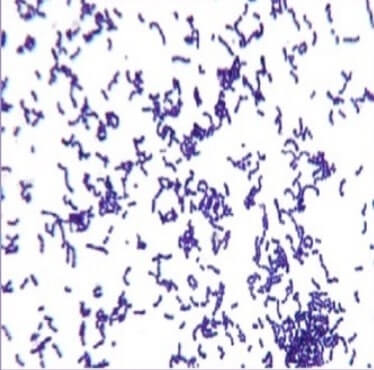
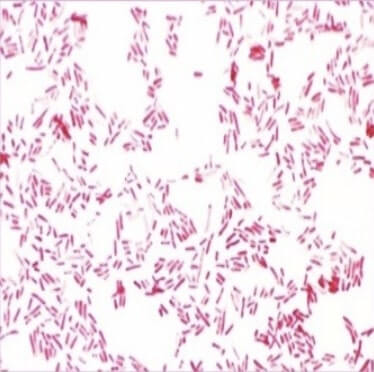
Ectolysins Against Gram Positive and Gram Negative Bacteria