Bacteriocins

What are Bacteriocins?

Bacteriocins are a diverse family of protein molecules produced by many bacterial species, that exhibit antibacterial activity. Bacteria produce these bacteriocins to eliminate competition from other closely related bacteria. Bacteriocins are naturally occurring antibacterial proteins that can be developed as potent antibiotics.

Gram Negative Bacteriocins

Bacteriocins from Gram negative bacteria are broadly classified into 3 types based on their size as:

Bacteriocins

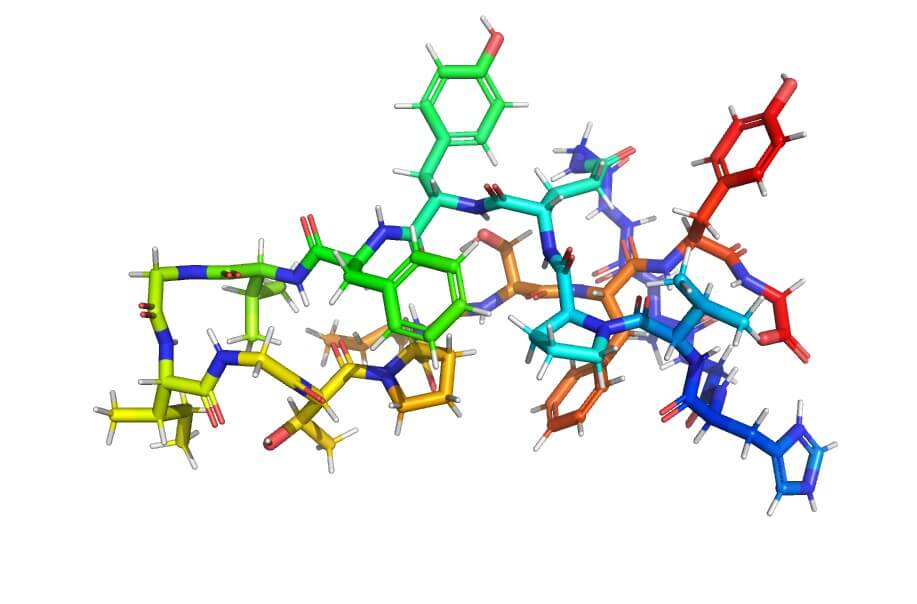
Peptide Bacteriocins

Peptide Bacteriocins like microcins of less than 10 kDa size
Lysins

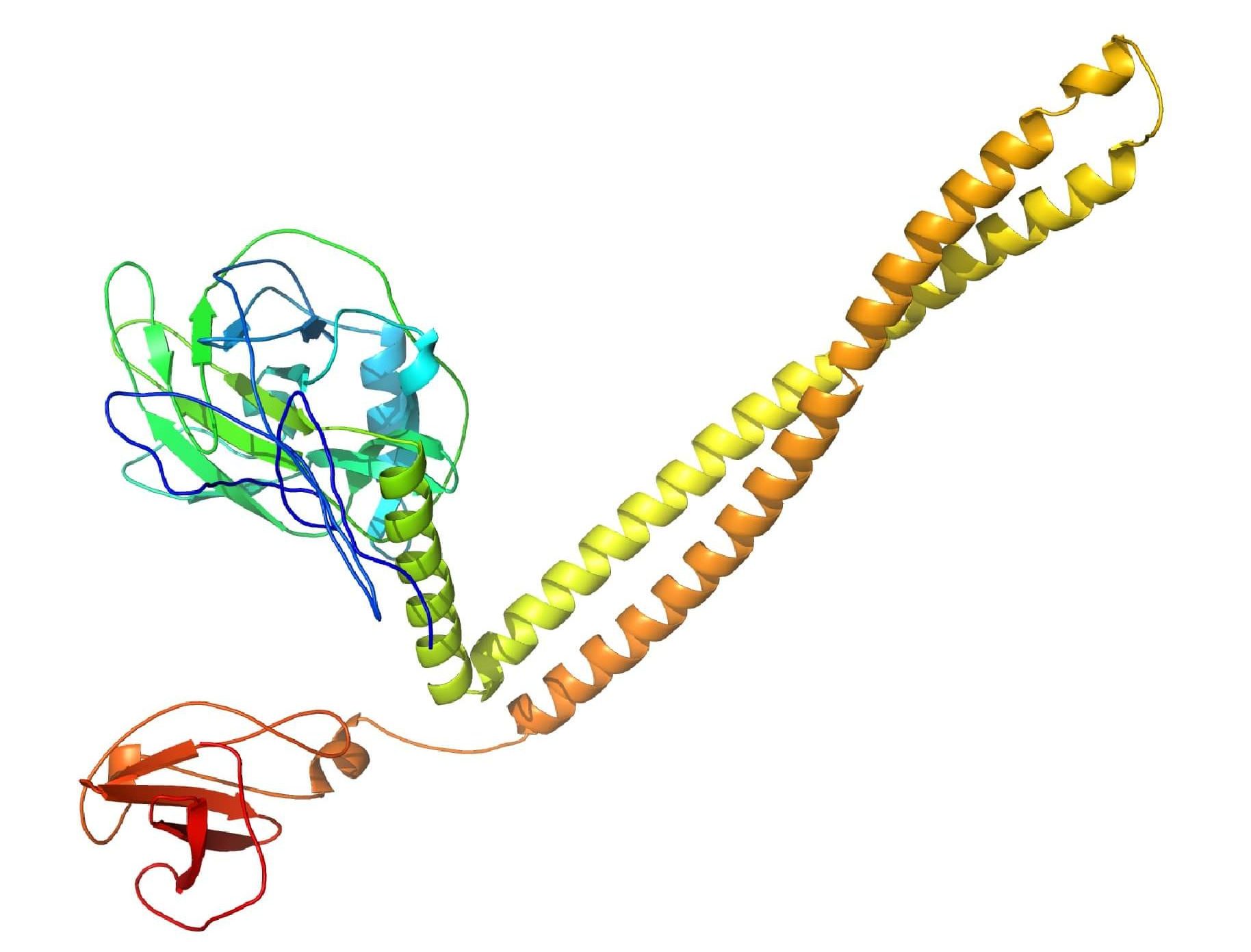
Colicin-Like Bacteriocins (CLB)

Colicin-Like Bacteriocins (CLB) of 25 – 80 kDa size
Lysins

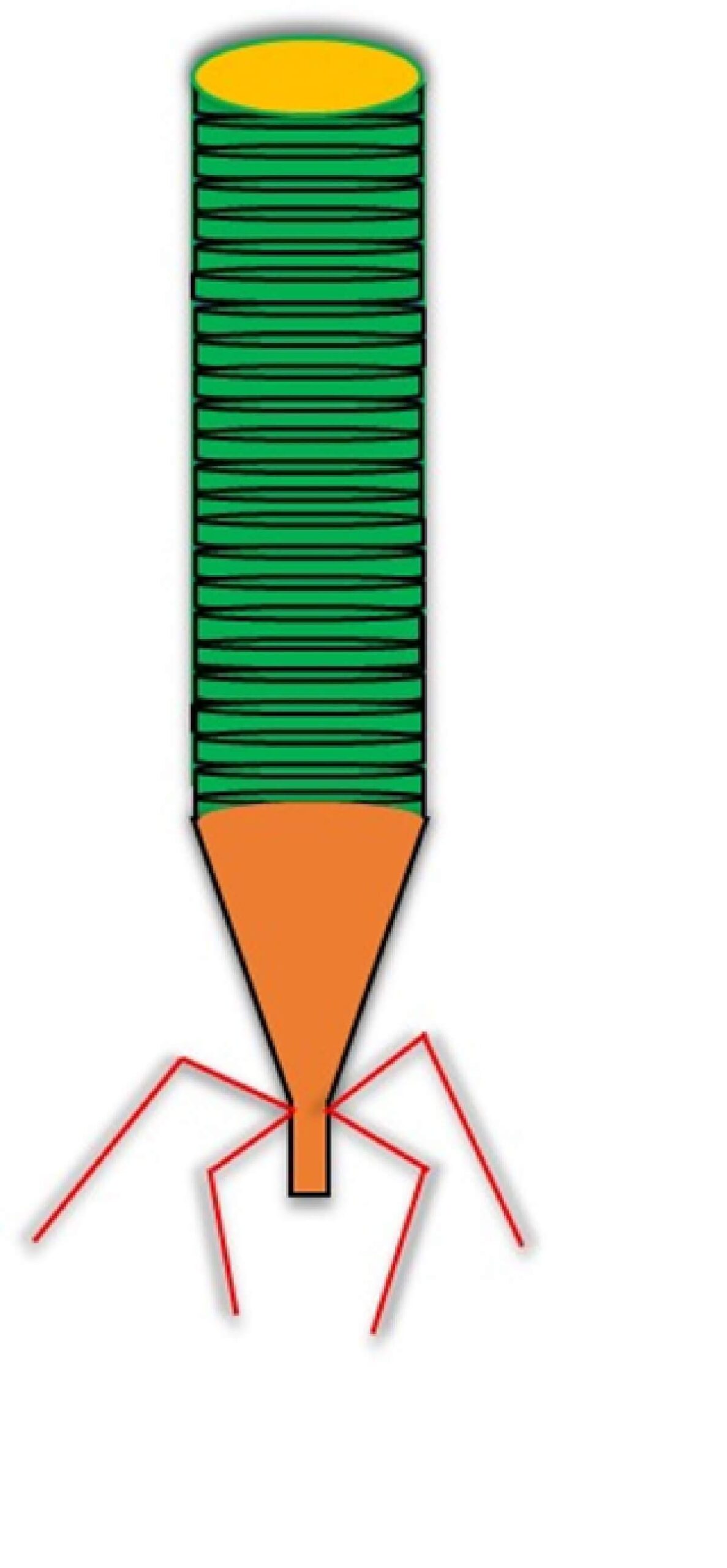
Tailocins

Tailocins are high molecular size bacteriocins that resemble the tail structures of bacteriophages

How Does It Work?

The CLBs entry into the bacterial cell is mediated through its interaction with cell-surface receptors, and thus conferring both specificity and selectivity. The Bacteriocin producing bacterium is protected from its own action by an immunity protein co-expressed with it.

Mechanism of Action

The mechanism of killing is through multiple modes such as cell wall damage, cell membrane damage, interfering in metabolic pathways, and DNase or RNase activities.

Advantages of Bacteriocins

Bacteriocins offer several advantages over antibiotics making them attractive starting points for developing anti-bacterial agents:

Specific

Their specificity offers a targeted approach and kills only the target pathogen, without damaging the commensal human microbiota or microbiome.

Resistance Development

The Bacteriocins have a unique mode of action and hence there is no primed resistance in the bacterial community.

Selective

Bacteriocins enter the bacterial cell through specific receptors which are absent on eukaryotic cells and hence are very selective agents.

Modular Architecture

The colicin like bacteriocins (CLB) have modular domain structure that can be engineered to generate new bacteriocins with enhanced functionalities like activity/stability.

Low Toxicity

For generations the commensal bacteria in human body has been employing the bacteriocins to ward off invasions by pathogenic bacteria, hence natural bacteriocins can be expected to be safe to Humans.

Synergy

The potency of bacteriocin can further be enhanced by combining them with standard of care antibiotics.

Powered by CARB-X

Back to Top